Metal processing technology

Learn about non-standard metal part processing techniques, including CNC machining, sheet metal fabrication, and stamping. Explore technical insights and manufacturing best practices for custom metal projects.

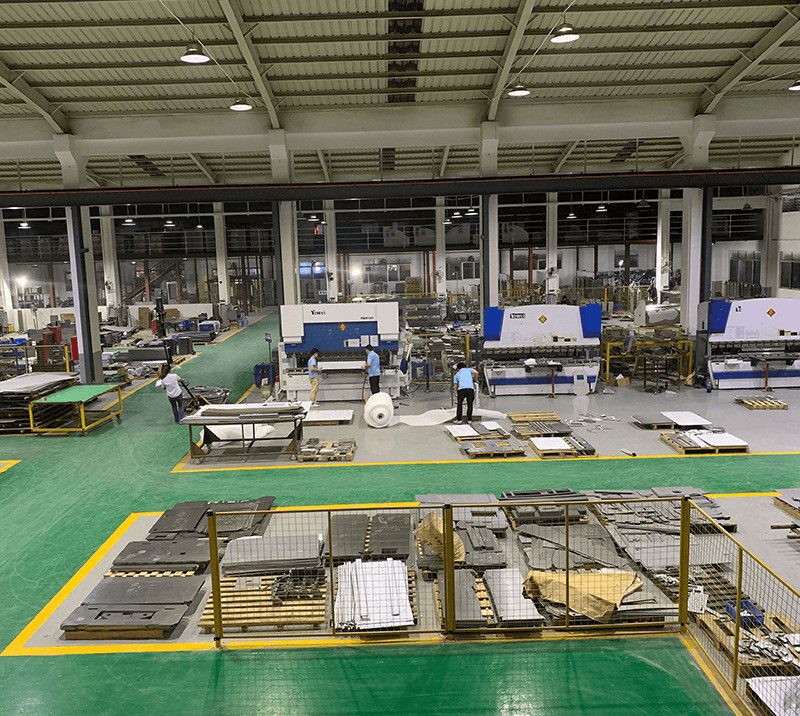
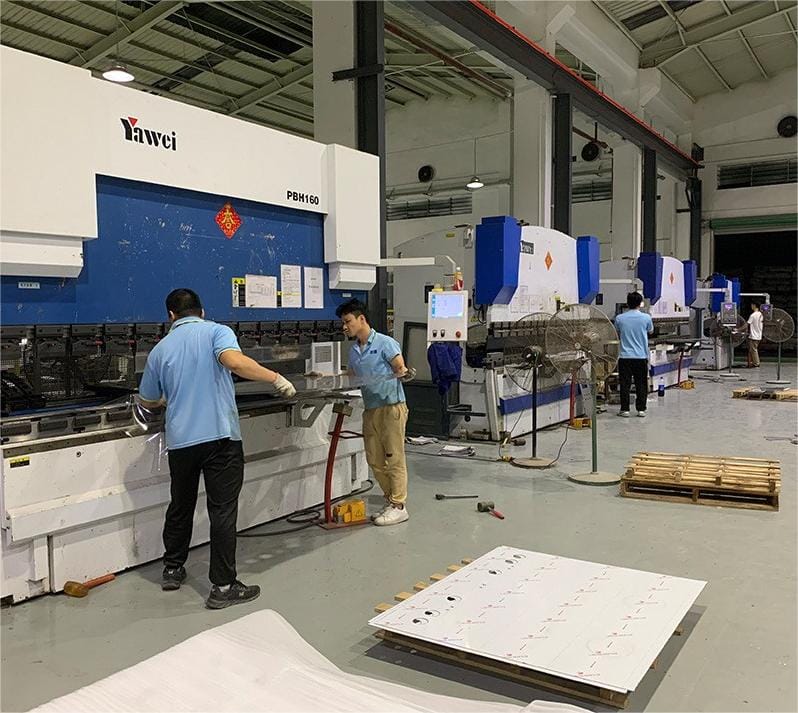
CNC bending processing area

Deep Dive into Sheet Metal Bending Springback Compensation

Deep Dive into Sheet Metal Bending Springback Compensation: Avoid These 3 Error Traps for ±0.1mm Accuracy In any sheet metal workshop, few things are more frustrating than this: you program a perfect 90° bend, but the actual measured angle comes out at 91.5° – or even worse. You tweak the backgauge position repeatedly, yet when […]

Deep Dive into Sheet Metal Bending Springback Compensation Read More »

CNC machining

Complete Guide to CNC Machining

Complete Guide to CNC Machining: Process, Types, Applications & More In modern metal manufacturing, CNC machining (Computer Numerical Control machining) has become one of the most essential and widely used production technologies. From aerospace engine components and automotive transmission housings to precision medical implants, countless high‑precision metal parts depend on CNC machining. This article provides a complete

Complete Guide to CNC Machining Read More »

Metallic materials

Metal Residual Stress Relief

Complete Guide to Metal Residual Stress Relief: 6 Methods Compared In mechanical manufacturing and metal processing, residual stress (also called inherent stress or internal stress) commonly exists inside parts. It arises from uneven plastic deformation, temperature variations, or phase changes during processing. If left uncontrolled, residual stress can cause part distortion, dimensional instability, and even stress corrosion

Metal Residual Stress Relief Read More »

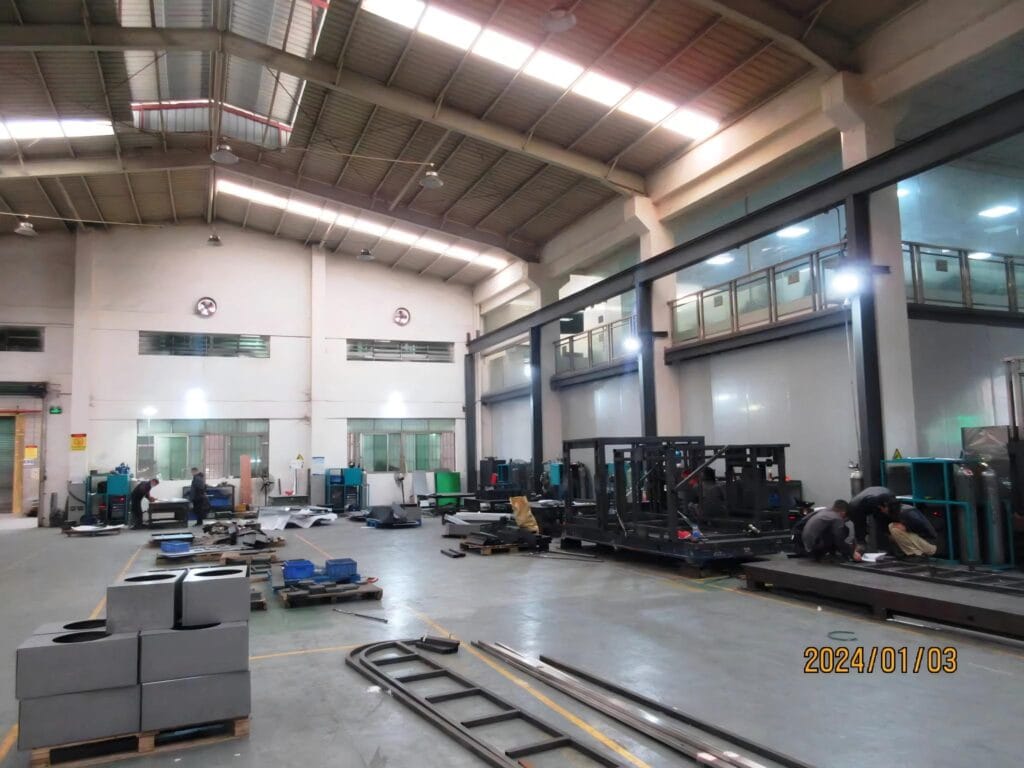
welding area

Comprehensive Guide to Sheet Metal Welding

Comprehensive Guide to Sheet Metal Welding: Pre‑Weld, In‑Process, and Post‑Weld Standards Sheet metal fabrication is a comprehensive cold‑working process for metal sheets typically up to 6 mm thick. It involves shearing, punching, cutting, bending, welding, riveting, joining, and forming. Among these, welding is a critical step that directly affects the structural integrity and appearance of the final assembly. To

Comprehensive Guide to Sheet Metal Welding Read More »

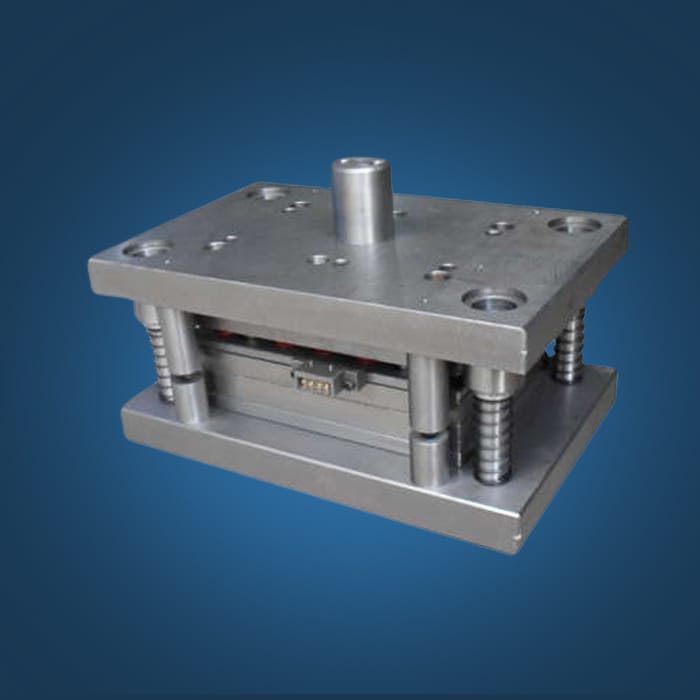
Stamping workshop

Key Advantages of Cold Stamping

Key Advantages of Cold Stamping: Why It’s the Top Choice for High‑Volume Metal Parts When it comes to manufacturing metal components, choosing the right process directly affects part quality, lead time, and overall cost. Cold stamping – a forming process performed at room temperature – offers clear technical and economic benefits over methods like sheet metal bending and CNC machining.

Key Advantages of Cold Stamping Read More »

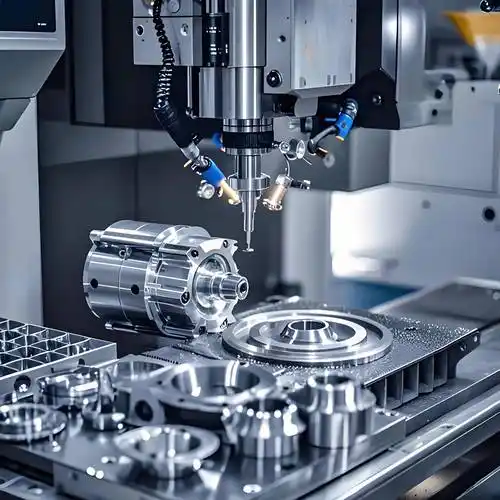
CNC machining area

How to Reduce CNC Prototyping Costs

How to Reduce CNC Prototyping Costs: 4 Practical Tips for Saving on Milled Parts Even for one‑off prototypes, machining is sometimes unavoidable. Certain materials (like PTFE, titanium, or G‑10 composite), tight tolerances, surface finish requirements, or other critical properties often leave CNC machining and turning as the only viable option. But beyond choosing a quality manufacturer, there are several things you can

How to Reduce CNC Prototyping Costs Read More »

CNC bending processing production area

Sheet Metal Bending: 12 Common Problems & Practical Solutions

Sheet Metal Bending In metal fabrication, sheet metal bending is one of the most essential forming processes. Whether you work with aluminium, stainless steel, or mild steel, the quality of the bend directly affects the final part’s accuracy and service life. This guide draws on real‑world shop‑floor experience to list the most frequent bending defects, their root

Sheet Metal Bending: 12 Common Problems & Practical Solutions Read More »

machined products

Differences Between Sheet Metal Parts and Machined Parts

Differences Between Sheet Metal Parts and Machined Parts: How to Tell Them Apart In mechanical manufacturing, sheet metal parts and machined parts are the two most common types of metal components. Beginners often confuse them because they look similar on drawings and in appearance, but they differ significantly in raw materials, processes, precision, and applications—and

Differences Between Sheet Metal Parts and Machined Parts Read More »

Automated equipment workbench

The Ultimate Guide to Corrosion-Resistant Metal Parts

From Materials Science to Manufacturing — Master the Core Technologies and Cost-Optimization Strategies for Corrosion-Resistant Metal Components Corrosion is a natural degradation process in which metals undergo chemical or electrochemical reactions with corrosive environmental agents such as water, air, and acidic or alkaline solutions. This process initiates at the metal surface, progressively penetrates inward, and

The Ultimate Guide to Corrosion-Resistant Metal Parts Read More »

Scroll to Top