Even for one‑off prototypes, machining is sometimes unavoidable. Certain materials (like PTFE, titanium, or G‑10 composite), tight tolerances, surface finish requirements, or other critical properties often leave CNC machining and turning as the only viable option.
But beyond choosing a quality manufacturer, there are several things you can do on the design and sourcing side to cut the cost of milled prototypes. Here are four actionable tips covering design review, tolerance management, process selection, and purchasing strategy – all backed by real‑world workshop experience.
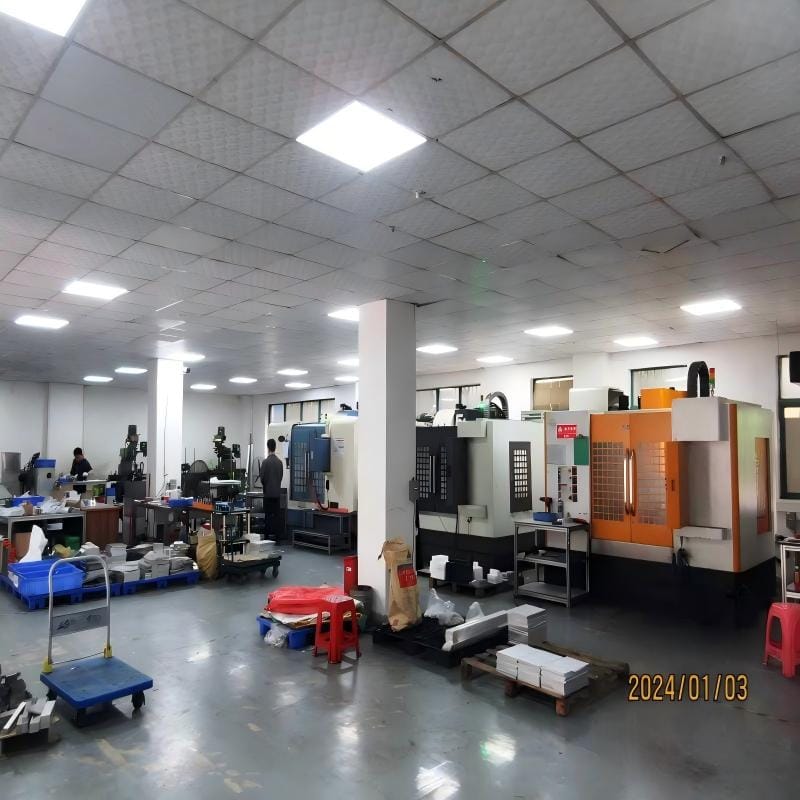
Tip 1: Separate “Must‑Haves” from “Nice‑to‑Haves”
The biggest budget killer in most prototyping projects is scope creep – bundling “nice‑to‑have” enhancements with “must‑have” requirements into the same quote.
Before you send out your drawings, ask yourself (or your client/engineer) a blunt question: Is this a need, or a want?
Remember, the sole purpose of a prototype is to move you to the next development step. Specifications that will matter in production are often overkill for an early‑stage functional prototype. Run through these self‑check points to trim the fat:
① Tolerances: Do you really need that tight?
- Can you use default tolerances? Most CNC shops follow general machining standards. In China, the most common default is GB/T 1804‑2000, medium grade (m) – which gives:
- ±0.2 mm for dimensions 6–30 mm
- ±0.3 mm for dimensions 30–120 mm
- ±0.5 mm for dimensions 120–400 mm
- Key insight: Tighter tolerances mean more tool passes, more inspections, and an additive cost increase – each step tightens the price. Only specify critical dimensions with tight tolerances where function absolutely demands it. Leave the rest at default to save significantly.
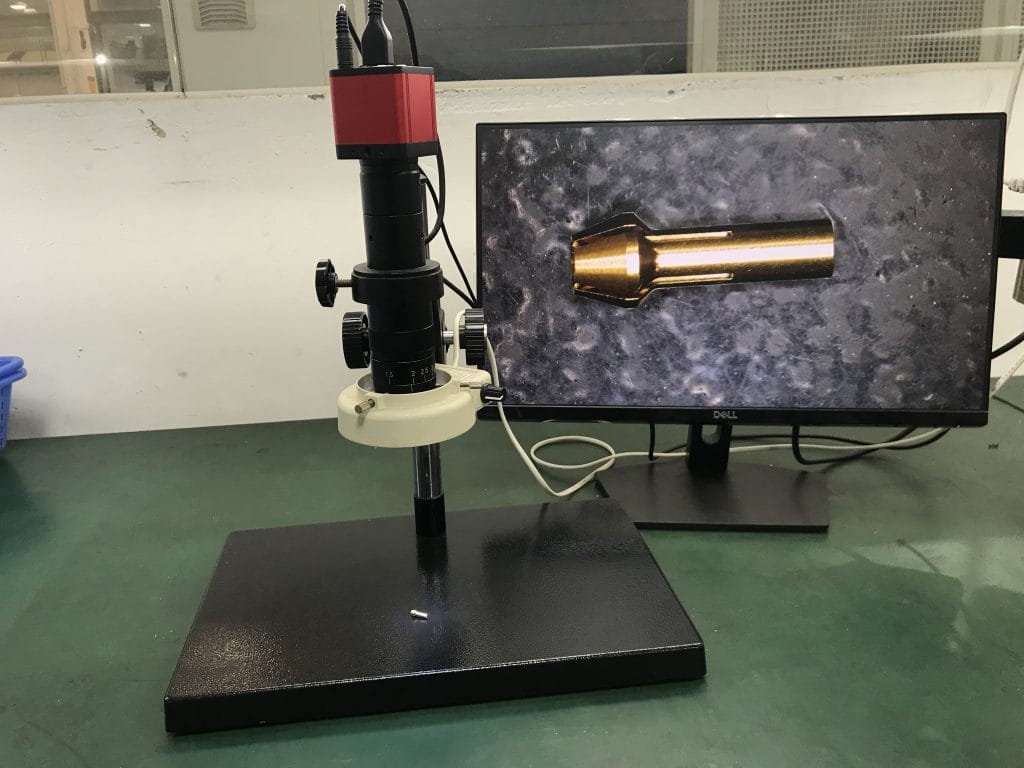
② Decorative finishes: Poor value for low volumes
Processes like laser engraving and screen printing are cheap per part in mass production, but for single or small‑batch prototypes, the setup fees and machine time become disproportionately expensive – and they add lead time.
- Solution: If your prototype is only for functional testing or fit checks, drop all decorative treatments. Likewise, avoid unnecessary ultra‑fine surface finishes unless they are mission‑critical.
③ Material choice: Default to the most common grades
- Why choose 6061 aluminium? It is the “workhorse” of CNC machining – low material cost, excellent machinability, and readily available. Compared to 7075 aluminium or titanium, using AL6061 for prototypes typically cuts material and machining costs by 20–30% and shortens delivery times. Unless you must test the exact production material for extreme performance, 6061 is your best value option.
④ Prototyping for castings: Remove all draft angles
Parts designed for die casting or injection moulding usually include draft angles (to ease ejection). But when you CNC‑machine such a prototype, remove those angles from your drawing.
- Why? Machining a 3° draft slope requires a “stepped” milling strategy – small tools with tiny step‑overs to gradually create the ramp. This doubles (or more) the programming and cutting time, often pushing the price up by over 100%. Removing the draft lets you use larger tools for straight, fast wall cuts – same mechanical performance, much lower cost.
Tip 2: Use Batch Pricing – Add Extra Parts at Little Extra Cost
When you request a quote for a milled prototype, always ask: “How much extra would it be if I increase the quantity from 1 to 10?”
A little‑known fact: the first article bears almost all the setup cost – programming, fixturing, and machine calibration. Adding 9 more pieces only adds material and a little extra machine time, while the fixed start‑up cost is already covered by the first piece.
- Practical advice: In many cases, the unit price for 10 parts is only slightly higher than for 1 part. If you need backup samples or want to run parallel tests, use this “marginal cost” advantage to get multiple prototypes for almost the same budget – and reduce your testing risk.
Final Thought: Smart Saving = Faster Iteration
Reducing CNC prototype cost isn’t about squeezing your supplier – it’s about making smart trade‑offs in design and using flexible purchasing tactics. Put your budget where it matters most: the core functionality. Remember: a prototype that is “just good enough” is the key to faster, cheaper iteration.

Contact Us
Click here: Contact Us
Email: [email protected]
Author:David Wu
video URL:https://www.youtube.com/@David-OEM
China Kewei Intelligent Technology Co., Ltd
Address:No. 23, Yexing Road, Xiangxi Industrial Zone, Liaobu Town, Dongguan City, Guangdong Province, China
With our profound expertise in customized sheet metal manufacturing services, CNC milling and turning, and metal stamping processing, we meet the complex needs of the automation equipment industry, new energy storage industry, and manufacturing industry. Our service portfolio includes automation equipment enclosures, precision mechanical parts, energy storage cabinet enclosures, and other customized metal products. We use advanced laser cutting, welding, and forming technologies to produce parts with strict tolerances and excellent surface finish. Whether you need small batch prototypes for research and development or large-scale production for assembly lines, our scalable solutions ensure the quality, cost-effectiveness, and on-time delivery of your industrial projects
相关文章:
 The Complete Guide to Sheet Metal Fabrication: Processes, Materials, and Best Practices
 Complete Guide to CNC Machining: Process, Types, Applications & More
 Sheet Metal Surface Finishing Guide: What Every Overseas Buyer Must Know
 Tooling and Fixture Costs in Sheet Metal Fabrication: A Transparent Guide for Overseas Buyers