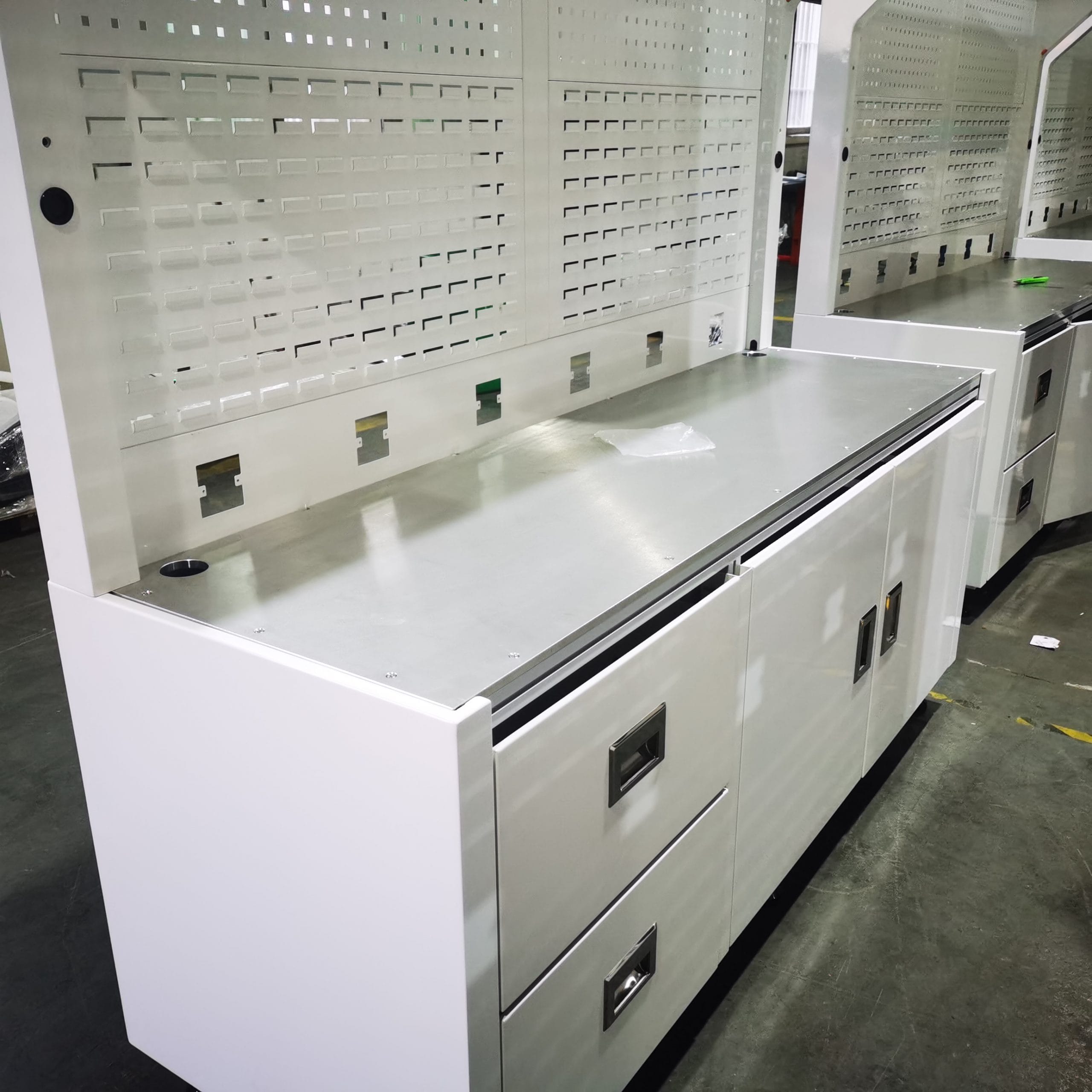
Corrosion is a natural degradation process in which metals undergo chemical or electrochemical reactions with corrosive environmental agents such as water, air, and acidic or alkaline solutions. This process initiates at the metal surface, progressively penetrates inward, and can ultimately lead to complete structural failure. In industrial applications, selecting corrosion-resistant metal materials or implementing effective surface protection technologies is critical for extending component service life and ensuring safe equipment operation.
1. Corrosion Mechanisms and Protection Strategies
The essence of metal corrosion lies in the thermodynamic drive to transition from an unstable metallic state to a stable oxidized form. Rusting iron is the classic example—iron reacts with oxygen and water to form hydrated iron oxide (rust), causing volume expansion, structural loosening, and eventual loss of mechanical strength.
Effective anti-corrosion strategies follow two primary pathways:
- Material Selection — Choosing inherently corrosion-resistant alloy materials
- Post-Processing Protection — Enhancing corrosion resistance through surface engineering technologies
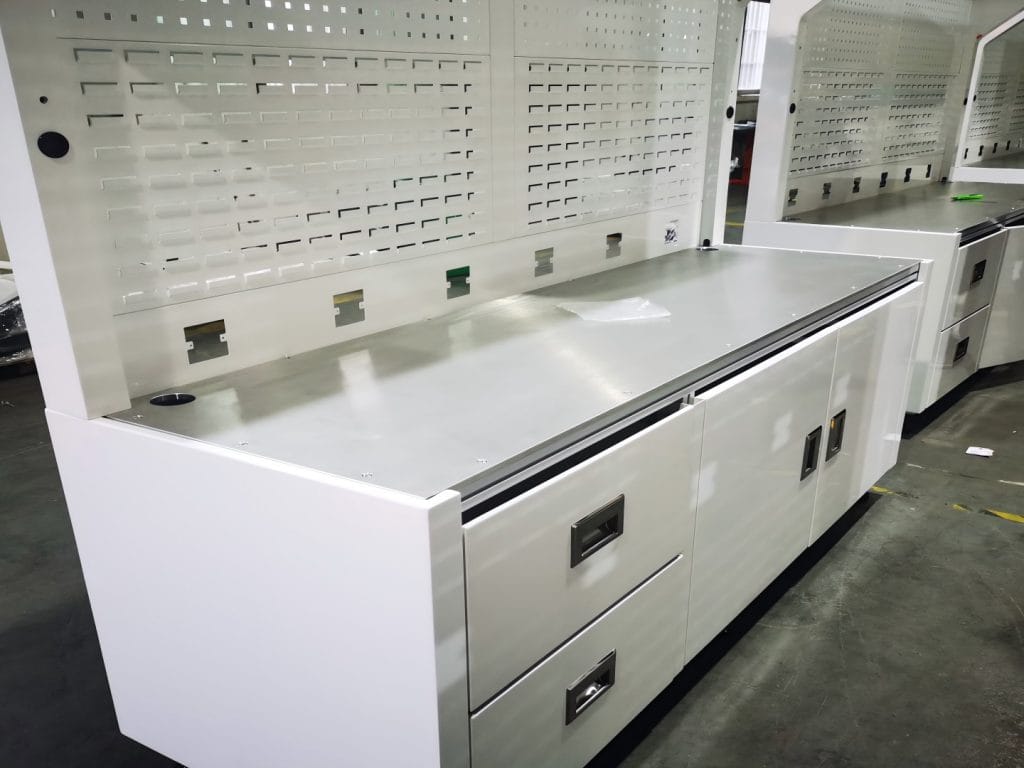
2. Comprehensive Overview of Mainstream Corrosion-Resistant Metals
2.1 Stainless Steel Series — The Best Cost-Performance Choice
Stainless steels are alloy steels containing a minimum of 10.5% chromium, which forms a dense passive oxide film (Cr₂O₃) on the surface that prevents corrosive media from attacking the underlying matrix. Based on microstructure, they are classified into three categories:
| Type | Typical Grades | Chromium Content | Characteristics | Applications |
|---|---|---|---|---|
| Austenitic | 304, 316 | 18%+ | Best corrosion resistance, 8-12% Ni, non-heat-treatable | Food equipment, chemical piping, medical devices |
| Martensitic | 420A | 11.5-13% | High strength, wear-resistant, lower corrosion resistance than 300 series | Cutlery, bearings, valves |
| Ferritic | 430A | 10.5-30% | Non-heat-treatable, excellent stress corrosion resistance | Automotive exhaust pipes, appliance housings |
Professional Insight: For marine environments or chloride-containing media, 316L (containing 2-3% molybdenum) is the most reliable choice, offering significantly superior pitting resistance compared to 304.
2.2 Duplex Stainless Steel — The Perfect Balance of Strength and Corrosion Resistance
Duplex steels combine the advantages of ferritic phase (stress corrosion resistance) and austenitic phase (good toughness). Typical grades include:
- 2205 (22% Cr, 5% Ni, 3% Mo)
- S32750 (25% Cr, 7% Ni, 4% Mo)
These materials deliver exceptional performance in demanding environments such as oilfield equipment, seawater heat exchangers, and the paper industry, with yield strength reaching more than double that of conventional austenitic stainless steels.
2.3 Superalloys — The Premier Choice for Extreme Conditions
Superalloys maintain excellent mechanical properties and corrosion resistance at temperatures above 600°C, widely used in aerospace engines, gas turbines, nuclear reactors, and other high-end applications:
| Matrix Element | Representative Grade | Core Advantages | Key Applications |
|---|---|---|---|
| Nickel-based | Inconel 718 | Heat resistance + corrosion resistance + shape memory, 3D-printable | Turbine disks, rocket engines |
| Cobalt-based | CoCr alloys | Higher melting point, excellent hot corrosion resistance, good weldability | Artificial joints, dental implants |
| Iron-based | A-286 | Lower cost, high strength at room temperature | Fasteners, turbochargers |
2.4 Aluminum Alloys — Lightweight Corrosion Protection Champions
Aluminum has a strong affinity for oxygen, naturally forming an Al₂O₃ oxide film (approximately 4-10 nm thick) with self-healing properties. Commonly used corrosion-resistant aluminum alloy series:
- 1xxx series (≥99% pure Al): Best corrosion resistance, suitable for chemical storage tanks
- 3xxx series (Al-Mn): Good ductility, strong resistance to stress corrosion cracking, representative grade AlSi1Mg
- 5xxx series (Al-Mg): High work-hardening rate, excellent surface finish, preferred for marine applications
pH Applicability: These aluminum alloys perform optimally within the pH range of 4.5–8.5; outside this range, anodizing treatment is recommended.
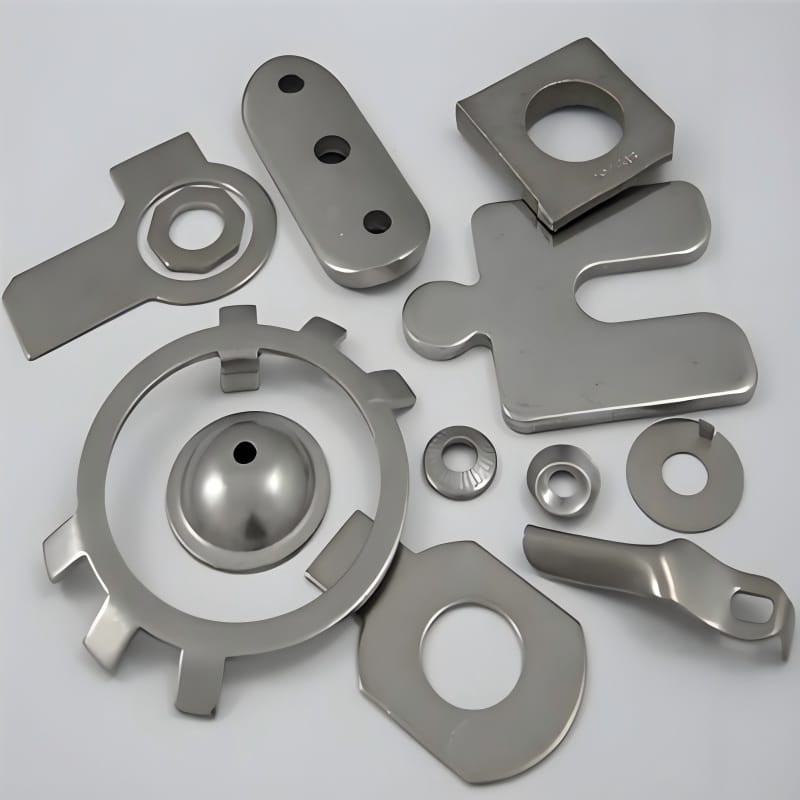
2.5 Copper Alloys — Versatile Performers with Thermal Conductivity
Copper itself offers good atmospheric corrosion resistance, further enhanced through alloying:
- Bronze (Cu-Sn): Addition of small amounts of silicon significantly improves corrosion resistance, suitable for seawater piping
- Brass (Cu-Zn): Excessive zinc content reduces corrosion resistance; adding tin improves it; commonly used in bathroom fixtures
2.6 Titanium Alloys — The Strength-to-Weight Ratio Champion
Titanium has only 60% the density of steel yet can match high-strength steel in mechanical performance. Its surface TiO₂ oxide film is exceptionally stable in chloride environments, making titanium the preferred material for seawater coolers and chemical reactors. Grade 5 (Ti-6Al-4V) is the most widely used alloy, offering an outstanding combination of mechanical properties and corrosion resistance.
3. Manufacturing Cost Comparison Analysis
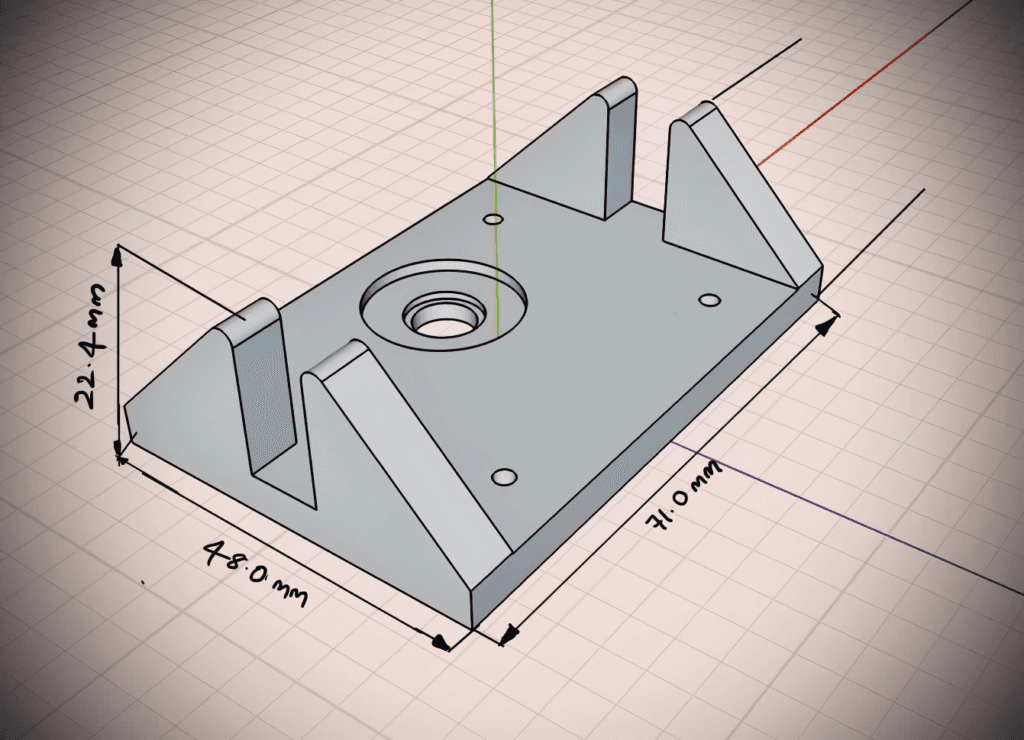
The following data are based on 2026 factory cost quotations (standard test specimens, approximately 50×50×50 mm), providing clear insight into cost variations across different materials and processes:
| Material | Process | Per Part Cost | 10-Part Unit Price | 100-Part Unit Price |
|---|---|---|---|---|
| Stainless Steel 304 | CNC | €211.61 | €66.41 | €23.74 |
| Stainless Steel 316L | CNC | €228.58 | €72.75 | €25.68 |
| Stainless Steel 316L | DMLS 3D Printing | €387.12 | €294.83 | Quote on demand |
| Aluminum AlSi10Mg | CNC | €123.07 | €35.35 | €13.88 |
| Aluminum AlSi10Mg | DMLS | €174.76 | €89.19 | €87.80 |
| Titanium Ti-6Al-4V | CNC | €705.35 | €215.06 | €55.12 |
| Titanium Ti-6Al-4V | DMLS | €387.12 | €294.83 | Quote on demand |
| Inconel 718 | DMLS | €487.77 | €333.16 | Quote on demand |
| CoCr Alloy | DMLS | €522.61 | €619.15 | Quote on demand |
Key Cost Insights:
- Small batches (1-10 parts): CNC machining costs drop rapidly with increased quantity, ideal for prototyping and small-batch production
- Large batches (100+ parts): CNC shows clear advantages, with aluminum parts reaching as low as €13.88 per unit
- 3D Printing (DMLS/SLM): Suited for complex geometries but with high material costs and poor batch economies
- Titanium CNC: Highest per-part cost (€705) but offers the steepest drop at scale, reaching €55.12 at 100 units
4. Post-Processing Surface Protection Technologies
When the base material lacks sufficient corrosion resistance or requires additional protection, the following surface treatment solutions can significantly extend component service life:
| Process | Applicable Materials | Protection Mechanism | Typical Applications |
|---|---|---|---|
| Anodizing | Aluminum, Titanium | Electrolytically generates thick oxide film (5-25μm), colorable, hardness improvement | Phone housings, camera parts, aerospace structural components |
| Painting/Powder Coating | All metals | Physical barrier layer blocking H₂O and O₂ | Appliance housings, outdoor piping, automotive bodies |
| Electroplating | Steel, Copper alloys | Zinc, chromium, nickel plating — cathodic protection or barrier protection | Fasteners, connectors, decorative parts |
| Passivation | Stainless steel | Chemical cleaning to strengthen oxide film, removing surface iron contamination | Food-grade piping, pharmaceutical equipment |
| Polishing/Deburring | CNC machined parts | Eliminates sharp edges, burrs, and surface micro-cracks, reducing corrosion initiation sites | Medical devices, precision instruments |
Technical Note: If electroplated coatings contain pores or scratches, they may create an accelerated corrosion effect due to “large cathode – small anode” galvanic coupling. Therefore, coating integrity and thickness control are critical.
5. Material Selection Decision Guide
Quick Selection by Application Environment:
| Service Environment | Recommended Material | Alternatives |
|---|---|---|
| Indoor/Atmospheric | 304 Stainless Steel, 3xxx Aluminum | Galvanized steel, painted carbon steel |
| Humid/Outdoor | 316L Stainless Steel, 5xxx Aluminum | Anodized aluminum |
| Marine/Chloride Media | Titanium Grade 5, Duplex 2205 | Nickel alloy C-276 |
| High Temperature (>500°C) | Inconel 718, Cobalt-Chromium | Ceramic-coated steel |
| Food/Medical | 316L, Titanium alloys | Passivated 304 |
| Strong Acid/Chemical | Hastelloy, Titanium | Glass-lined steel |
Cost-Effective Selection Principles:
- Choose stainless steel over superalloys whenever possible — unless temperature or corrosivity truly exceeds stainless steel’s tolerance
- Choose CNC over 3D printing whenever possible — unless part geometry is too complex for machining
- Choose surface treatment over base material substitution — e.g., anodized aluminum can replace some stainless steel applications
- The larger the batch, the greater the CNC advantage — at 100 units, titanium CNC pricing approaches DMLS per-part costs
6. Summary and Outlook
The manufacturing of corrosion-resistant metal parts is a systematic engineering endeavor that requires comprehensive consideration of four key dimensions: material properties, processing techniques, surface treatment, and cost budgeting.
With the advancement of additive manufacturing technologies, complex corrosion-resistant components that were previously difficult to machine now have new manufacturing solutions. Meanwhile, progress in surface engineering enables ordinary metals to achieve corrosion resistance comparable to that of precious metals.
Recommended Project Workflow:
- Define the service environment — temperature, media, load conditions, and service life requirements
- Shortlist candidate materials — at least 2-3 options
- Evaluate manufacturing costs — considering batch size, lead time, and post-processing
- Conduct sample validation — salt spray testing, electrochemical testing
- Perform pilot production runs — process parameter optimization
Through scientific material selection and rational process matching, it is entirely possible to achieve the optimal balance between corrosion resistance performance and cost efficiency — ensuring both quality and economic viability in your metal component projects.
Frequently Asked Questions
Q: What is the most cost-effective corrosion-resistant metal for general use?
A: Stainless steel 304 offers the best balance of corrosion resistance and affordability for most indoor and light-duty outdoor applications.
Q: When should I choose titanium over stainless steel?
A: Titanium is preferred for marine environments, high-temperature applications, or when maximum strength-to-weight ratio is required — despite its higher cost.
prohibitive.
Q: How does anodizing improve corrosion resistance?
A: Anodizing thickens the natural oxide layer on aluminum or titanium, creating a harder, more durable barrier against corrosive media.
Contact Us
Click here: Contact Us
Email: [email protected]
Author:David Wu
video URL:https://www.youtube.com/@David-OEM
China Kewei Intelligent Technology Co., Ltd
Address:No. 23, Yexing Road, Xiangxi Industrial Zone, Liaobu Town, Dongguan City, Guangdong Province, China
With our profound expertise in customized sheet metal manufacturing services, CNC milling and turning, and metal stamping processing, we meet the complex needs of the automation equipment industry, new energy storage industry, and manufacturing industry. Our service portfolio includes automation equipment enclosures, precision mechanical parts, energy storage cabinet enclosures, and other customized metal products. We use advanced laser cutting, welding, and forming technologies to produce parts with strict tolerances and excellent surface finish. Whether you need small batch prototypes for research and development or large-scale production for assembly lines, our scalable solutions ensure the quality, cost-effectiveness, and on-time delivery of your industrial projects
相关文章:
 The Complete Guide to Sheet Metal Fabrication: Processes, Materials, and Best Practices
Custom Cut Sheet Metal: A Complete Guide for Buyers and Engineers
The Complete Guide to Sheet Metal Fabrication: Processes, Materials, and Best Practices
Custom Cut Sheet Metal: A Complete Guide for Buyers and Engineers
 Custom Metal Enclosures in China: Your Complete Guide to OEM Sheet Metal Housings
 Sheet Metal Surface Finishing Guide: What Every Overseas Buyer Must Know