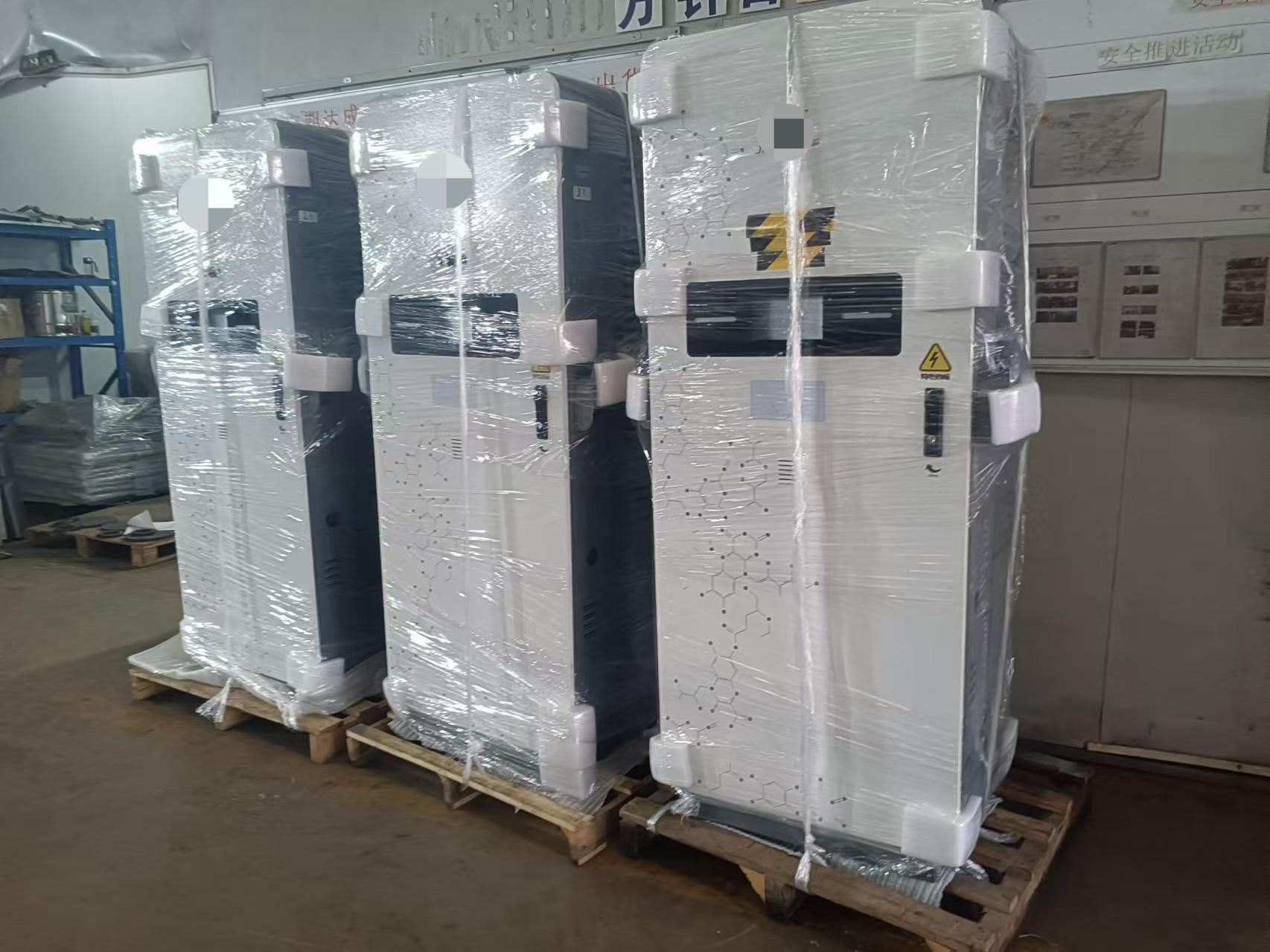
Outdoor EV charging stations and energy storage cabinets are exposed to rain, wind, and humidity year-round. If waterproofing isn’t done properly, the consequences range from equipment failure to short circuits—or even safety hazards. What many buyers don’t realize is that waterproof performance is largely determined at the sheet metal design and fabrication stage, long before the cabinet is assembled.
This article looks at the core pain points in outdoor cabinet waterproofing and the practical, field-tested solutions that address them.
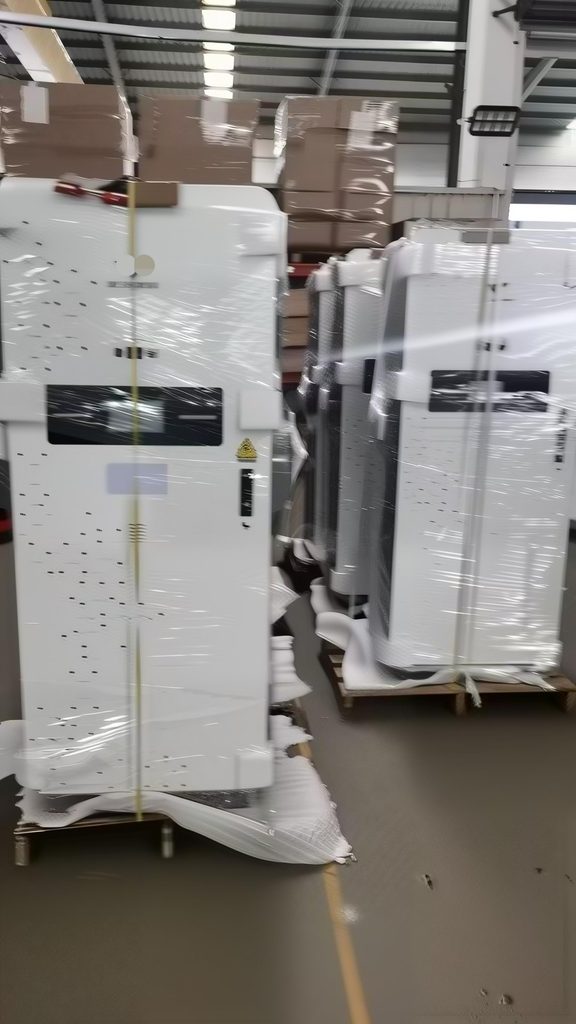
Pain Point 1: Door Seals Leak—Wrong Gasket Material Fails Within Months
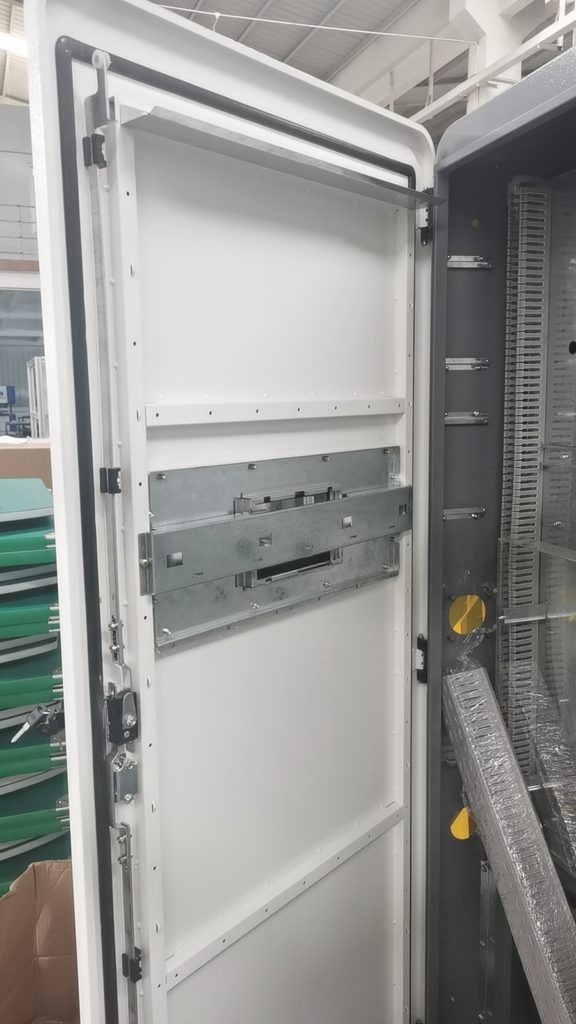
The door gap is the number one path for water ingress in outdoor cabinets. Many enclosures look well-sealed when they leave the factory, but start leaking after just a few months outdoors. The root cause is almost always the wrong gasket material.
Standard rubber gaskets harden and crack within a year under UV exposure and high temperatures. Outdoor cabinets must withstand temperature cycles from -40°C to 70°C, so the sealing material needs to maintain elasticity as the metal expands and contracts.
The solution: Use EPDM (ethylene propylene diene monomer) foam gaskets or silicone rubber gaskets. EPDM handles temperatures from -50°C to 150°C and offers excellent UV resistance—suitable for most outdoor applications. For the sealing structure, use a continuous one-piece gasket with no breaks, and add a labyrinth-style water channel on the door frame. This intercepts rainwater at the first barrier, so it never directly hits the sealing gasket.
Pain Point 2: Ventilation vs. Waterproofing—Vents Can’t Be Open Holes
EV charging stations and energy storage cabinets generate significant internal heat and require ventilation. But every opening is a potential entry point for water and dust.
The industry-standard approach is angled louvers—ventilation blades tilted downward to allow airflow while blocking direct rain entry. Intake and exhaust vents should be positioned separately: intake low, exhaust high, creating natural convection.
A more reliable solution: Use waterproof breathable vents (IP65 or higher). These contain a high-performance polymer membrane that allows air and moisture vapor to pass through but blocks liquid water completely. This allows the cabinet to be fully sealed while equalizing internal and external pressure—preventing the gasket from being “sucked open” by temperature differentials.
Pain Point 3: Weld Seams Leak—Spot Welding Creates Long-Term Problems
If cabinet joints are spot-welded, gaps will inevitably trap water. Rain seeps through the weld seams and corrodes the cabinet from the inside out. The exterior may look fine while the interior has already rusted through.
The solution: Critical joints on outdoor cabinets must be fully seam-welded, then ground smooth and treated for corrosion protection. For permanent joints that can’t be fully welded (such as panel connections), use polyurethane or silicone structural sealant. The substrate must be clean and dry before application to ensure proper adhesion.
Pain Point 4: Cable Entry Points—The Most Common “Beginner” Leak
Energy storage cabinets require multiple cable entries. If these entry points aren’t properly sealed, rainwater runs straight down the cables and into the cabinet.
The solution: All cables must enter through IP67-rated or higher waterproof cable glands. These glands compress an internal rubber seal around the cable and thread into the cabinet wall, creating a double seal. Match the gland size to the cable diameter and tighten to the specified torque. Design a waterproof step at the entry point—positioning the cable entry above the cabinet floor level so that even minor water accumulation won’t flow backward into the enclosure.
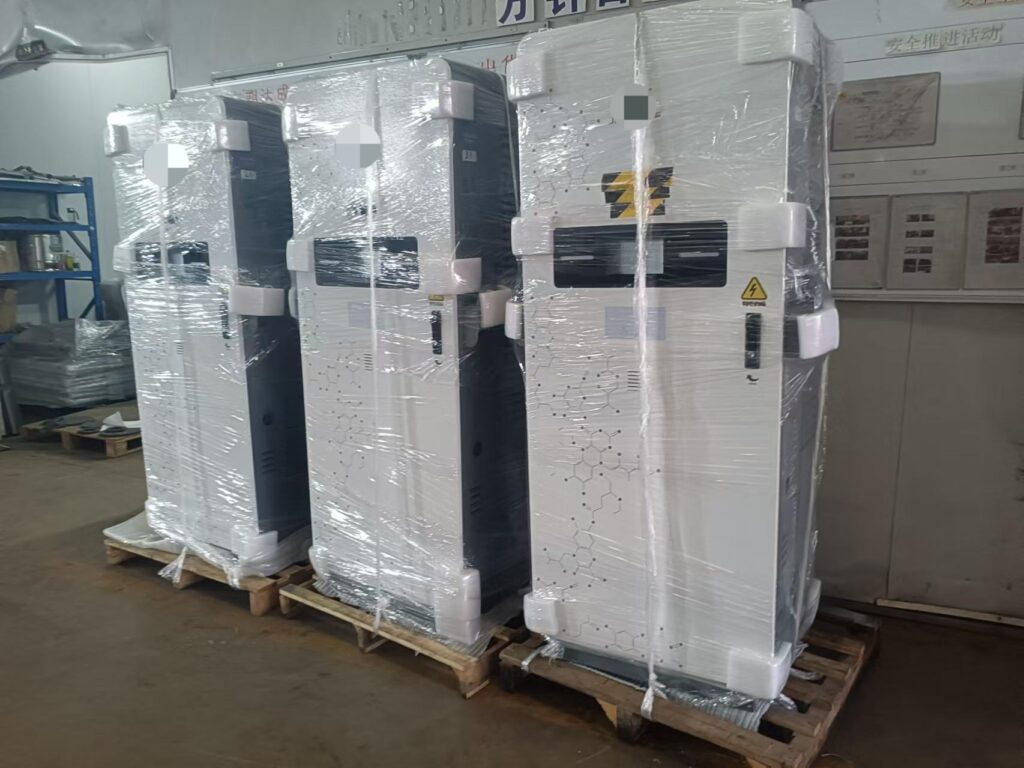
Pain Point 5: Surface Treatment Cut Corners—Rust Starts at Welds and Edges
When outdoor cabinets rust, 80% of the time the problem traces back to surface treatment. Many factories cut costs by skipping phosphating, using indoor-grade powder, or not curing at the correct temperature and duration. The cabinet looks fine when new, but after a few months of sun and rain, the coating starts chalking and peeling.
A proper outdoor pre-treatment process: Complete all pre-treatment steps before surface finishing—acid pickling, phosphating, degreasing, and sandblasting. If necessary, electroplating can also be applied to extend salt spray test duration. Then apply outdoor-grade weather-resistant polyester powder and cure at high temperature.
Pain Point 6: Design Details That Make or Break Waterproofing
When designing energy storage cabinets or charging stations, these details matter:
1. Insect protection
Add mesh screens behind ventilation louvers to keep insects and debris out. This is especially important in areas with high bug activity—blocked louvers reduce airflow and can cause overheating.
2. Water drainage during heavy rain
Door-mounted drainage channels must be sized to handle heavy rainfall and drain quickly. For charging stations, consider adding a sloped protective canopy above the cabinet to deflect direct rain.
3. Electronic screen sealing
For charging stations with display screens, add a waterproof strip behind the screen on the door and reinforce it with waterproof adhesive. This prevents water from seeping in around the screen edges—a commonly overlooked weak point.
4. Transport and lifting provisions
Large energy storage cabinets need base frames or lifting rings for safe transport and installation. Plan these into the design from the start—retrofitting them later is expensive and compromises structural integrity.
5. Gasket width and thickness
Door gaskets must be wide and thick enough to compress properly against the locking mechanism. For doors with dual-point locking (top and bottom locks, known in China as “sky-and-earth locks”) , the gasket needs to maintain even pressure across the entire door perimeter. Undersized gaskets won’t seal properly, no matter how tight the lock is.
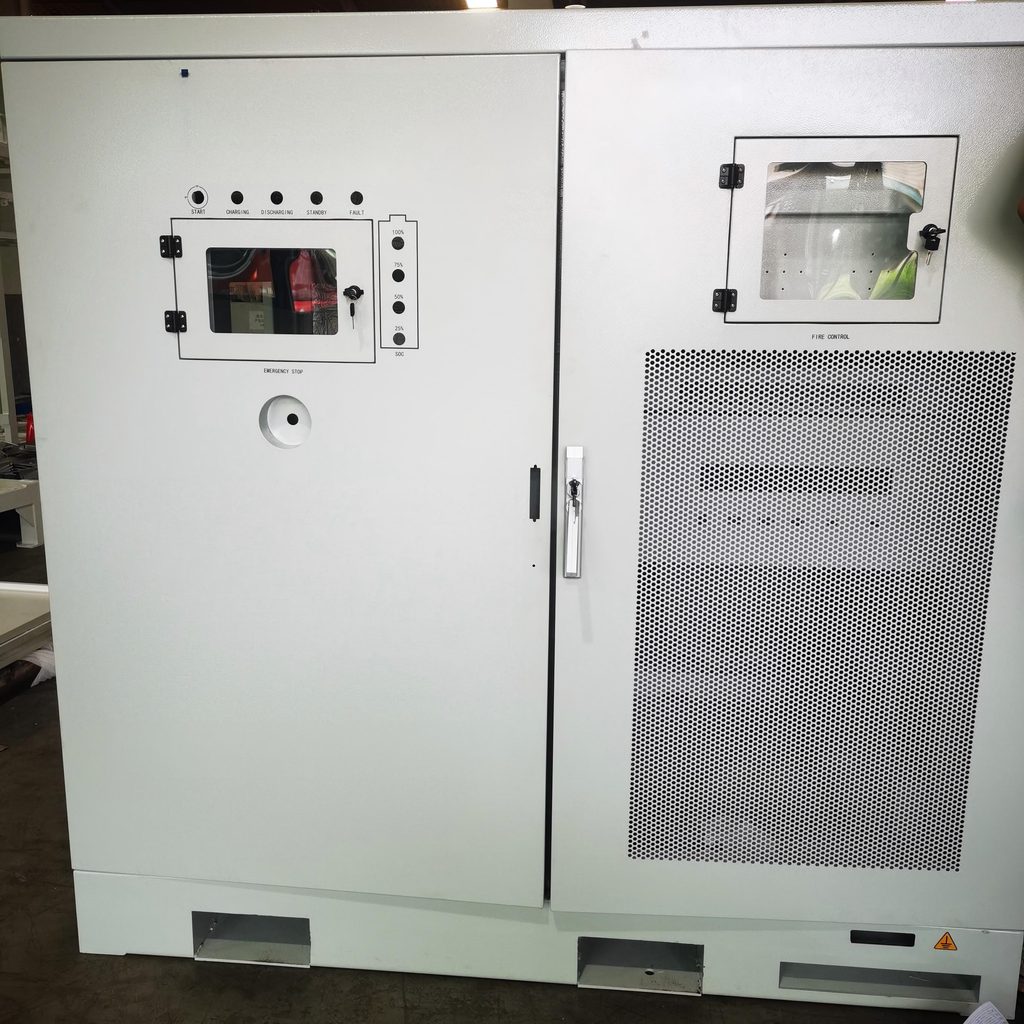
An Overlooked Detail: Door Flatness
If the door itself isn’t flat, the gasket can’t compress evenly. Gaps large enough to slide a piece of paper through will leak—no matter how good the gasket is.
The solution: Use CNC bending to ensure door flatness, paired with a compression-style locking mechanism that applies uniform pressure around the entire gasket when the door closes. Gasket compression should be controlled between 20% and 40%—too much causes permanent deformation, too little means no seal at all.
Summary
Waterproofing outdoor EV charging stations and energy storage cabinets isn’t solved by a single “magic material.” It requires coordinated design across structure, sealing, welding, and surface treatment:
| Stage | Key Requirements |
|---|---|
| Door sealing | EPDM/silicone gasket + labyrinth water channel |
| Ventilation | Angled louvers + waterproof breathable vents + insect mesh |
| Cabinet joints | Full seam welding + structural sealant |
| Cable entries | IP67 cable glands + waterproof step |
| Surface protection | Complete pre-treatment + outdoor-grade powder |
| Door precision | CNC bending for flatness + dual-point locking |
When all six areas are addressed, the cabinet achieves reliable IP54–IP66 protection—and your equipment stays safe through years of outdoor exposure.
Contact Us
Click here: Contact Us
Email: [email protected]
Author:David Wu
URL: https://zhmfr.com
video URL:https://www.youtube.com/@David-OEM
China Kewei Intelligent Technology Co., Ltd
Address:No. 23, Yexing Road, Xiangxi Industrial Zone, Liaobu Town, Dongguan City, Guangdong Province, China
With our profound expertise in customized sheet metal manufacturing services, CNC milling and turning, and metal stamping processing, we meet the complex needs of the automation equipment industry, new energy storage industry, and manufacturing industry. Our service portfolio includes automation equipment enclosures, precision mechanical parts, energy storage cabinet enclosures, and other customized metal products. We use advanced laser cutting, welding, and forming technologies to produce parts with strict tolerances and excellent surface finish. Whether you need small batch prototypes for research and development or large-scale production for assembly lines, our scalable solutions ensure the quality, cost-effectiveness, and on-time delivery of your industrial projects.