A practical guide for overseas buyers — how to set realistic expectations, track production, and avoid last-minute delays.
You ordered parts for an important project. The supplier promised 25 days. You waited. Day 25 came and went. Then day 30. Then day 40.
The supplier kept saying “almost ready” and “just a few more days.”
Your project is delayed. Your customer is angry. You’re stuck in the middle.
Does this sound familiar?
Delivery delays are one of the biggest frustrations for overseas buyers. But here’s the truth: most delays are predictable — and preventable.
This article gives you 5 practical strategies to reduce the risk of delays and get your sheet metal parts on time.
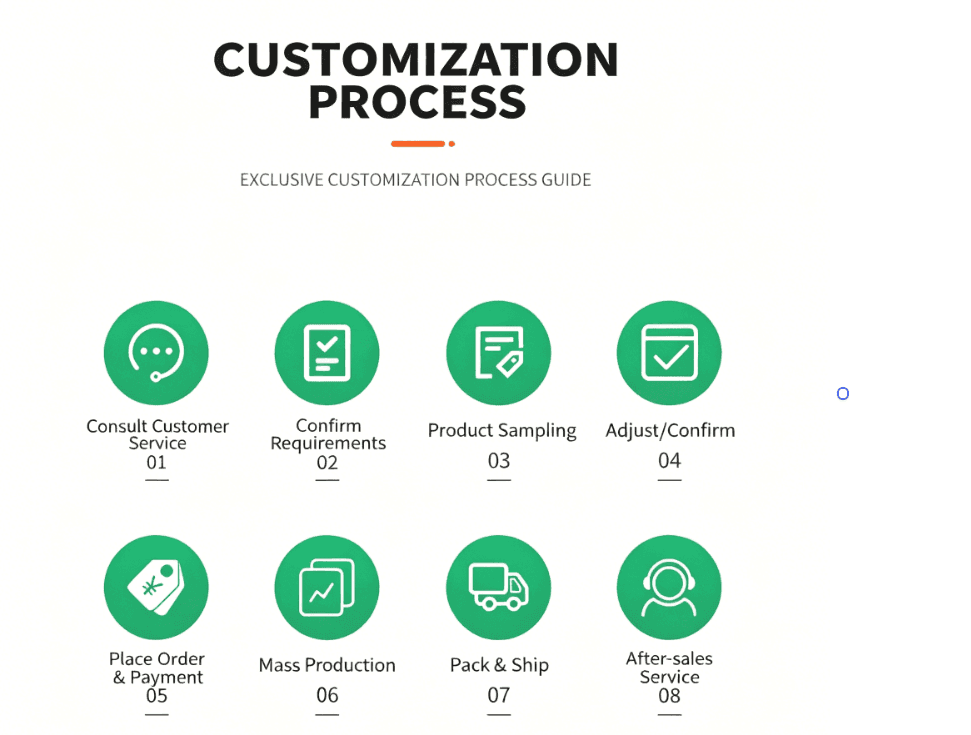
Strategy 1: Build a Realistic “Buffer Day” Into Your Schedule
The problem: Many suppliers promise short lead times just to win your order. They say 20 days, but they know they need 28. They hope to catch up later. Sometimes they do — often they don’t.
Your mistake: You believe the 20-day promise and plan your project around it. When the delay comes, you have no cushion.
The solution: Always build buffer days into your schedule — and don’t tell the supplier about them.
How it works:
| Your actual need | When you tell supplier | Your internal deadline |
|---|---|---|
| Need parts by day 30 | Tell supplier you need by day 25 | Plan for day 30 |
| Need parts by day 45 | Tell supplier you need by day 38 | Plan for day 45 |
Why this works:
- If supplier delivers “late” by their own 25-day promise but arrives on day 30 — you’re still on time
- If the supplier is truly late, you have extra time to chase or escalate
- You never tell the supplier your real deadline, so they don’t slow down
Pro tip: When you set the supplier’s deadline, say something like:
“Our schedule is very tight. We need delivery by [date] to keep the project moving.”
Then in your own calendar, mark that date as “supplier target — actual need is +5 days.”
Strategy 2: Ask for a “Production Schedule” in Advance
The problem: You place the order, pay the deposit, and then… silence. You don’t hear anything until the promised delivery date. Then you chase, and the supplier says “some delays.”
The solution: Before you place the order, ask for a detailed production schedule — not just a delivery date.
What a production schedule should show:
| Milestone | What It Means | When It Happens |
|---|---|---|
| Material order | Supplier orders raw material | Day 1-3 |
| Material arrival | Steel sheets arrive at factory | Day 3-5 |
| Laser cutting | Flat parts cut from sheets | Day 5-8 |
| Bending | Parts formed on press brake | Day 8-12 |
| Welding (if any) | Parts welded together | Day 10-14 |
| Surface treatment | Powder coating / plating | Day 14-18 |
| Quality inspection | Full check before packing | Day 18-20 |
| Packing | Parts packed for shipping | Day 20-22 |
| Shipment | Parts leave factory | Day 22-25 |
How to use this schedule:
- Ask the supplier to send an update at each milestone
- If a milestone is missed (e.g., material arrival is late), you know about it early — you can escalate while there’s still time
- You can see exactly where the delay is happening, instead of just hearing “it’s delayed”
What to say to your supplier:
“We’d like a production schedule for this order showing the planned date for each step. Please send us a short update when each step is complete.”
Pro tip: Suppliers who give you a clear schedule are more organized and less likely to be late. Suppliers who can’t or won’t provide one — be careful.
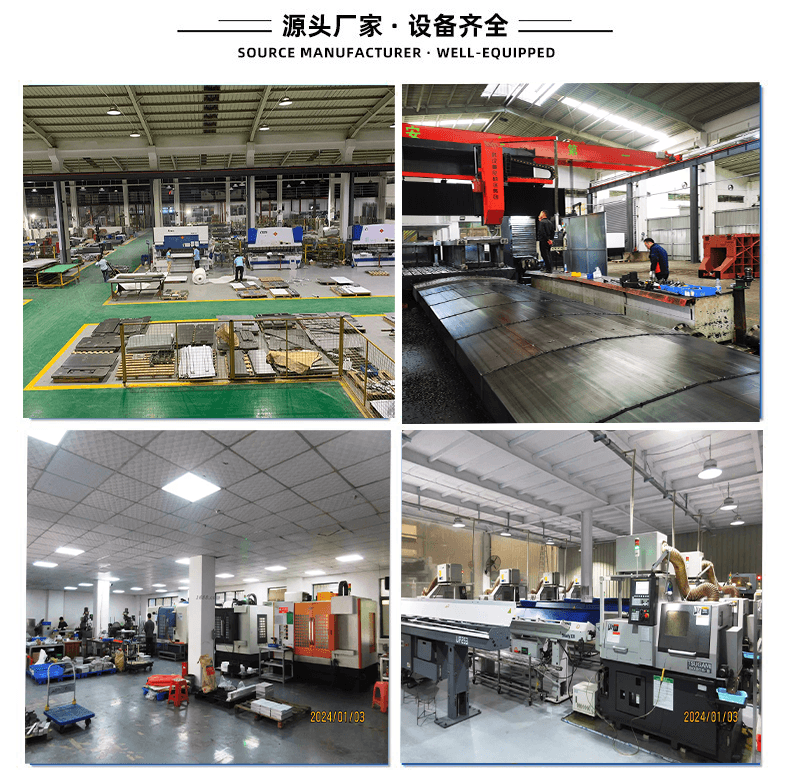
Strategy 3: Be Clear About What “Delivery” Actually Means
The problem: “Delivery in 20 days” can mean different things to different people.
- To you: “Parts in my warehouse on day 20”
- To the supplier: “Parts leave our factory on day 20”
The difference can be 5-15 days of shipping time that you didn’t account for.
The solution: Always clarify which delivery date you mean.
The three delivery terms:
| Term | Meaning | Your Expectation |
|---|---|---|
| EXW (Ex Works) | Parts ready at supplier’s factory for pickup | You need to arrange shipping — add transit time |
| FOB (Free On Board) | Parts loaded onto ship at Chinese port | Add ocean transit + customs + inland transport |
| DDP (Delivered Duty Paid) | Parts delivered to your door | Supplier manages all shipping — get a final date |
What to put in your order:
“Delivery date means [EXW / FOB / DDP] date. For FOB, shipment date means the vessel departure date from China port. We need the parts to be ready at the factory by [date].”
Pro tip: If you’re using FOB, ask the supplier: “When will the parts be ready at your factory for pickup?” This is the date they control. The rest is up to your freight forwarder.
Strategy 4: Check on Production Proactively
The problem: You wait for the supplier to tell you about problems. But suppliers often avoid giving bad news until the last moment — hoping they can fix it before you notice.
The solution: Don’t wait for news. Ask for proactive updates.
The “Three Checkpoint” method:
| Checkpoint | When to Ask | What to Ask |
|---|---|---|
| Checkpoint 1 | 3 days after order placed | “Has the material been ordered? When will it arrive?” |
| Checkpoint 2 | Midpoint of production (when cutting is done) | “Is cutting finished? What is the current progress?” |
| Checkpoint 3 | 5 days before promised delivery | “Is the order on track for [date]? If not, please tell us immediately.” |
What to say at Checkpoint 3:
“We are approaching the delivery date. Please confirm if the order will be ready on time. If there is any delay, please tell us today with the new estimated date and the reason.”
Why this works:
- Early detection = more options (you can escalate, ask for overtime, or air freight part of the order)
- Late detection = no options (you just have to wait)
Pro tip: Use the “5 days before” checkpoint as your last chance to catch delays while there’s still time to react.
Strategy 5: Understand What Causes Delays — and Help Prevent Them
Not all delays are the supplier’s fault. Some are caused by things you control. Here are the most common delay causes and how to avoid them:
Delay Cause 1: Late Payment
What happens: You pay the deposit late by 5 days. The supplier waits until payment clears before ordering material. The whole order shifts 5 days later.
How to avoid: Always pay your deposit immediately when you receive the proforma invoice. Put a reminder in your calendar the day you place the order.
Delay Cause 2: Unclear or Incomplete Drawings
What happens: The supplier starts production, then realizes a dimension is missing or unclear. They stop and email you. You reply 2 days later (time zone difference). Production is paused for 2 days.
How to avoid: Before you place the order, ask the supplier: “Please review the drawings and tell us if anything is unclear or missing.” Fix issues before production starts.
Delay Cause 3: Design Changes Mid-Production
What happens: You ask for a “small change” after production has started. The supplier has to rework or scrap parts. This adds days or weeks.
How to avoid: Freeze the design before you place the order. Make all changes before sample approval. If you absolutely must change something, ask: “How much extra time will this add?” and accept the result.
Delay Cause 4: Surfaces Treatment Rework
What happens: The powder coating comes out wrong. The supplier has to strip and re-coat. This adds 3-7 days.
How to avoid: Ask for a small test piece of the coating before the full batch is coated. Approve it. Then the supplier knows exactly what you expect.
Delay Cause 5: Holiday and Factory Schedule
What happens: Chinese New Year, National Day (October 1-7), or local holidays shut down factories for a week or more. You didn’t check the holiday calendar.
How to avoid: Always check Chinese public holidays before placing an order. If the order falls near a holiday, ask the supplier: “Will you be closed during this period? How will this affect our delivery?”
Quick Reference: Your 5-Step Delay Prevention Plan
| Step | Action |
|---|---|
| 1 | Build +5 buffer days into your own schedule without telling supplier |
| 2 | Ask for a detailed production schedule before placing order |
| 3 | Clarify what “delivery date” actually means (EXW, FOB, or DDP) |
| 4 | Do 3 checkpoints — day 3, midpoint, and 5 days before delivery |
| 5 | Avoid common delay causes: pay on time, freeze drawings, check holidays |
What to Do When a Delay Is Already Happening
Sometimes, despite your best efforts, a delay happens. Here’s what to do:
Step 1: Get the Facts
Ask:
- “What caused the delay?”
- “What is the new confirmed delivery date?”
- “What is being done to shorten the delay?”
Step 2: Assess Your Options
| If… | Then… |
|---|---|
| Delay is 1-3 days | Accept it — not worth fighting |
| Delay is 4-7 days | Ask for compensation (e.g., partial refund or free upgrade on next order) |
| Delay is 7+ days and critical | Ask if part of the order can be sent by air freight at their cost |
| Delay is severely impacting your project | Escalate to a manager or consider alternative suppliers for future orders |
Click to learn more:Sourcing Sheet Metal Parts from China
Step 3: Protect the Relationship
Remember: suppliers who feel blamed and attacked will not go the extra mile for you. Suppliers who feel you are fair will work harder to make it right.
Say this:
“We understand delays happen. We’re disappointed but we want to find a solution together. Please give us the confirmed new date and tell us what you’re doing to get back on track.”
Not this:
“This is unacceptable! You promised! I’m never ordering from you again!”
Summary: Realistic Timeline vs. Wishful Timeline
| Wishful Thinking | Realistic Approach |
|---|---|
| “They said 20 days, so I’ll plan for 20 days” | “They said 20 days, I’ll plan for 25” |
| “I’ll wait for them to tell me if there’s a problem” | “I’ll check with them 3 times during production” |
| “Delivery means parts in my hands” | “Delivery means parts leave factory — shipping is extra” |
| “I’ll send the drawing and hope they understand” | “I’ll ask if the drawing is clear before production” |
| “I’ll make changes during production if needed” | “I’ll freeze the design and pay for changes if I must” |
Final Word: On-Time Delivery Is a Partnership
Getting your sheet metal parts on time is not just the supplier’s responsibility — it’s a shared effort.
- You communicate clearly and on time
- The supplier produces carefully and reports honestly
- You set realistic expectations with buffers
- The supplier meets their commitments
When both sides do their part, on-time delivery becomes the norm, not the exception.
Start using these 5 strategies today — and stop worrying about late deliveries.
Contact Us
Click here: Contact Us
Email: [email protected]
Author:David Wu
Video URL:Youtude
China Kewei Intelligent Technology Co., Ltd
Address:No. 23, Yexing Road, Xiangxi Industrial Zone, Liaobu Town, Dongguan City, Guangdong Province, China
With our profound expertise in customized sheet metal manufacturing services, CNC milling and turning, and metal stamping processing, we meet the complex needs of the automation equipment industry, new energy storage industry, and manufacturing industry. Our service portfolio includes automation equipment enclosures, precision mechanical parts, energy storage cabinet enclosures, and other customized metal products. We use advanced laser cutting, welding, and forming technologies to produce parts with strict tolerances and excellent surface finish. Whether you need small batch prototypes for research and development or large-scale production for assembly lines, our scalable solutions ensure the quality, cost-effectiveness, and on-time delivery of your industrial projects
相关文章:
 Sheet Metal Parts Quality Issues: Is It the Supplier’s Fault or Yours?
 Sheet Metal Surface Finishing Guide: What Every Overseas Buyer Must Know
 Sourcing Sheet Metal Parts from China? 5 Things Every Overseas Buyer Must Know Before Placing an Order
 Custom Sheet Metal Solutions: What Kewei Can Do for Your Business